SAC305 solder alloy (Sn96.5/Ag3.0/Cu0.5) for electronic soldering
Lead-Free Alloy Sn96.5/Ag3/Cu0.5 - Industry Standard for Electronic Soldering
SAC305 is the lead-free solder alloy with composition Sn96.5/Ag3/Cu0.5, available from Dickmann in bars, wires and SMD pastes. It is the reference lead-free alloy in electronics: it melts at 217–220 °C and gives reliable joints with a satin appearance in SMT reflow, wave, selective and hand soldering. SAC305 alloys available from stock in Italy and Europe. Ideal for electronics, automotive and industrial applications. Discover also our other lead-free alloys.
Why Choose SAC305 Alloys for Electronics
Key advantages of SAC305 alloys over other lead-free solutions
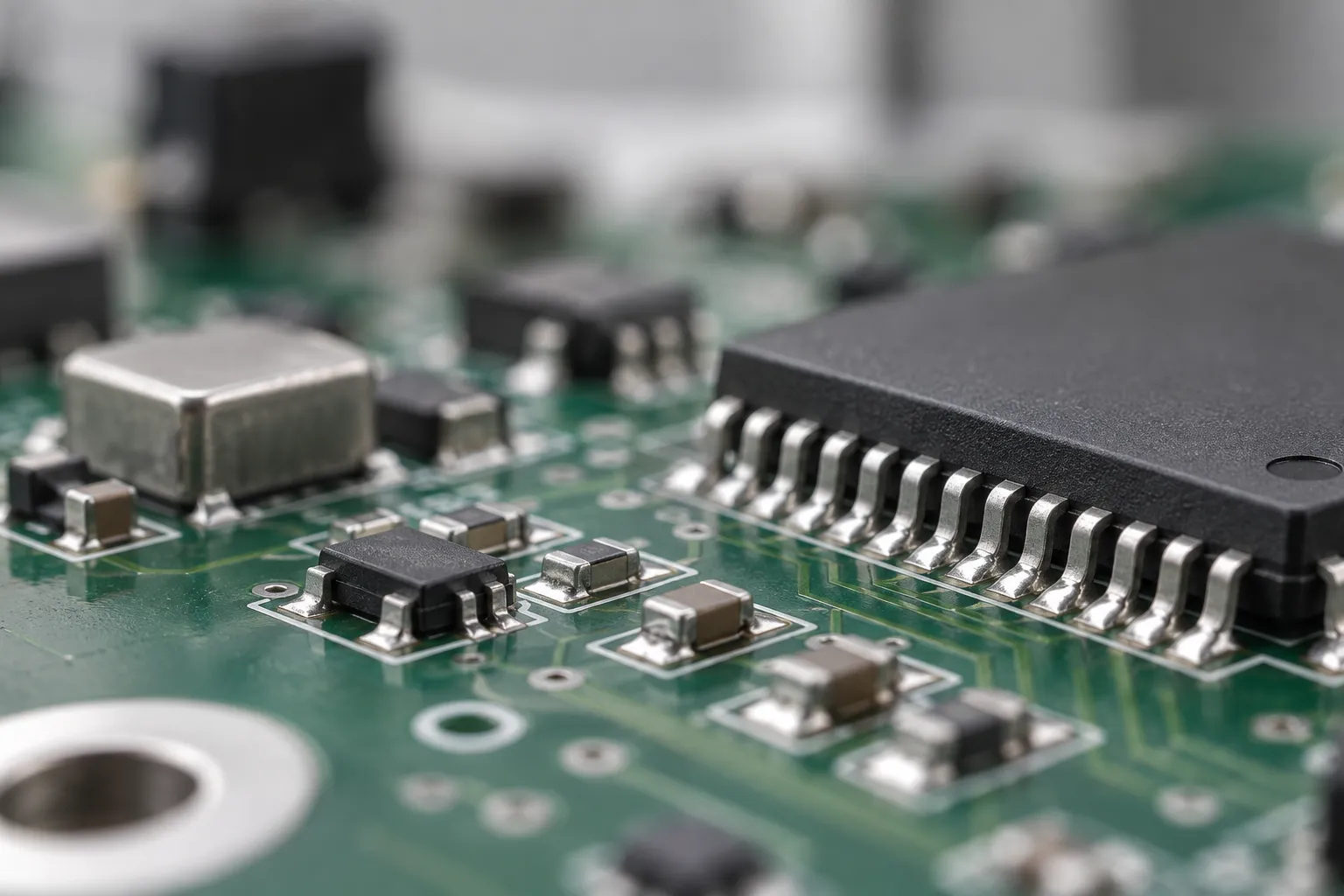
SAC305 Alloy Technical Data
Metallurgical and thermal properties of Sn96.5/Ag3/Cu0.5 alloys
| Property | Value | Unit | Notes |
|---|---|---|---|
| Composition | Sn96.5/Ag3/Cu0.5 | % | Optimal balance for electronics |
| Melting Point | 217-220 | °C | Ideal soldering range |
| Density | 7.4 | g/cm³ | At room temperature |
| Compliance | RoHS/REACH | - | RoHS compliant |
SAC305 in every format
SAC305 is the only alloy in the range available in every production format, from the solder pot to the paste.
| Format | Products | Process |
|---|---|---|
| Bars | Dixtra Electronic | Wave and selective soldering |
| Solid wire | From 0.5 to 4 mm, spools from 0.25 to 4 kg | Solder pot top-up, robots |
| Flux-cored wire | Alfa C, Alfa E, Impetol B, Dixtra No Clean, AIM Glowcore | Manual soldering and rework |
| Solder paste | AIM H10, NC257-2, M8 | SMT reflow |
| Sticks | SAC305 stick | Manual soldering of large masses, top-ups |
Typical process parameters
| Process | Typical value | Notes |
|---|---|---|
| Reflow | Peak 240–250 °C | Profile according to the paste technical sheet |
| Wave soldering | Bath 255–265 °C | Depending on board and contact time |
| Selective soldering | Solder pot 280–320 °C | Depending on nozzle and thermal mass |
| Manual soldering | Tip 330–370 °C | Depending on tip and thermal mass |
Indicative values: the technical sheets of paste, flux and machine are authoritative.
SAC305, SAC0307 or 99SnCuNiGe?
SAC305 remains the standard choice for SMT reflow and when the specification requires it. In bath processes, where a lot of alloy is consumed, low-silver SAC0307 and silver-free 99SnCuNiGe reduce cost. When the specification calls for more silver, the step up is to SAC405. Alloy designation and purity are defined by IPC J-STD-006 and EN ISO 9453.
Applications of SAC305 Alloys
Industrial sectors where SAC305 alloys are the preferred standard


SAC305 vs SAC405 vs Sn-Cu Alloys: Comparative Analysis
Detailed comparison of performance, cost and applications of lead-free alloys
| Alloy | Composition | Melting Point | Application Notes |
|---|---|---|---|
| SAC305 | Sn96.5/Ag3/Cu0.5 | 217-220°C | Standard for electronics, excellent balance |
| SAC405 | Sn95.5/Ag4/Cu0.5 | 217–219 °C | More silver, for high-reliability specifications |
| Sn-Cu | Sn99.3/Cu0.7 | 227°C | Economical, for standard applications |
| 99SnCuNiGe | Sn/Cu0.7/Ni0.05/Ge | 227°C | Silver-free, for high volumes |
💡 Nota: SAC305 alloys offer the best compromise between performance, reliability and cost for most modern electronic applications.
Frequently Asked Questions about SAC305 Alloys
Answers from Dickmann experts on SAC305 alloys
Switch to SAC305 Alloys: the Industry Standard for Electronics
SAC305 stock in Italy · Certificate of analysis for every lot · Availability in Europe
Discover our complete range of soldering products, including SAC305 bars, flux-cored wires and SMD pastes. Our quality management system is ISO 9001 certified. Alternatives available: SAC 405, 99SnCuNiGe (SN100C equivalent).
Telefono
+39 02 6604 7053