Liquid and gel fluxes for wave, selective and manual soldering
Alcohol-based no-clean, VOC-free and gel fluxes for wave, selective and manual soldering
We supply fluxes for soft soldering in electronics: alcohol-based and VOC-free no-clean liquids for wave and selective soldering, and gels for rework and repair. Classified according to IPC J-STD-004, with non-corrosive residues. Our professional fluxes are essential for precision electronics, automotive and industrial applications. Discover also our flux-cored wires and our quality certifications.
Why Choose Our Fluxes
Professional quality for perfect solder joints
Flux Types and Specifications
Technical characteristics for every application
| Type | Activity | Residues | Application |
|---|---|---|---|
| No-clean (classes L0 or L1) | Low | Non-corrosive | Electronics, SMD, normally no cleaning |
| RMA (usually ROL0–ROL1) | Low | Rosin-based, non-corrosive | Mildly activated rosin; cleaning if required by the specification |
| RA (Rosin Activated, usually ROM1) | Moderate or high | Active, to be removed | Oxidised surfaces, requires cleaning |
| Water-Soluble | Very high | Water-soluble | Wave soldering, requires washing |
| Gel/Paste | Variable | Depends on type | Localised, manual application |
The flux range
The fluxes in the catalogue are divided into three families: alcohol-based liquids, water-based VOC-free liquids and gels for localised application.
| Product | Family | Characteristics | Typical use |
|---|---|---|---|
| NC264-5 | Alcohol-based no-clean | Wide process window, minimal residues; effective with 99SnCuNiGe and SAC alloys | Lead-free and Sn-Pb wave soldering |
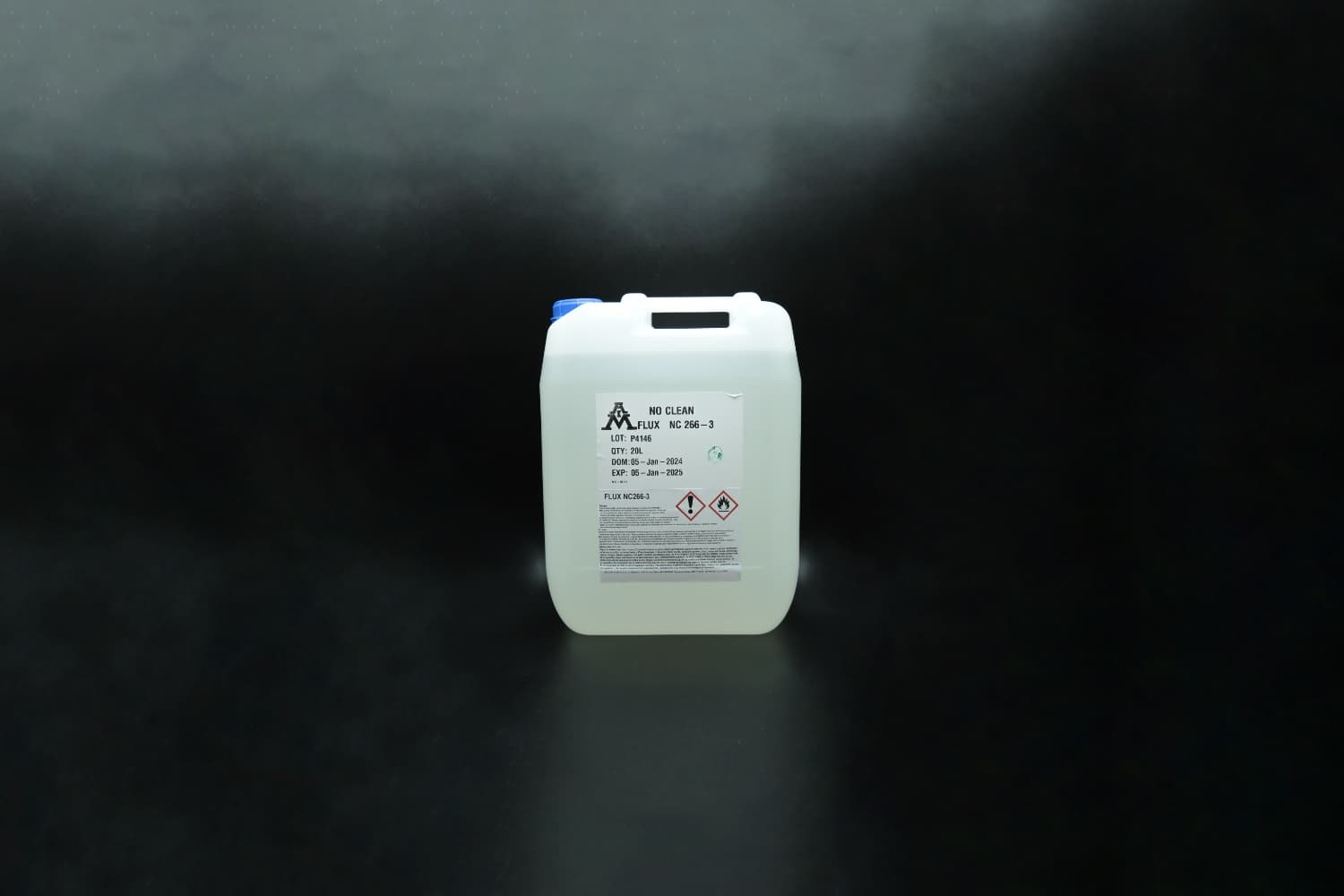
| NC266-3 | Alcohol-based no-clean | Rosin-free (ORL0), halogen-free; improves wetting and prevents shorts | Wave soldering |
| FX16 | Alcohol-based no-clean | Minimal residues even without preheating; reduces solder balls, shorts and bridges | Wave and point-to-point selective soldering |
| NC275B | Water-based VOC-free | VOC-free and halogen-free, good wetting | Wave soldering with environmental constraints |
| NC Paste Flux | Gel | For rework and BGA balls | Board rework |
| NC 258 Paste Flux | No-clean gel | On all electronic surfaces | Rework and BGA balls |
| NC 257-2 Paste Flux | No-clean gel | On all electronic surfaces | Rework and touch-up |
Which flux for which process
Flux works together with the alloy: for wave and selective soldering see the SAC0307 and 99SnCuNiGe alloys, for manual soldering the flux-cored wires.
- Wave soldering: spray or foam no-clean liquids, alcohol-based (NC264-5, NC266-3, FX16) or VOC-free (NC275B).
- Selective soldering: no-clean liquids applied by spray or drop-jet only on the points to be soldered (FX16).
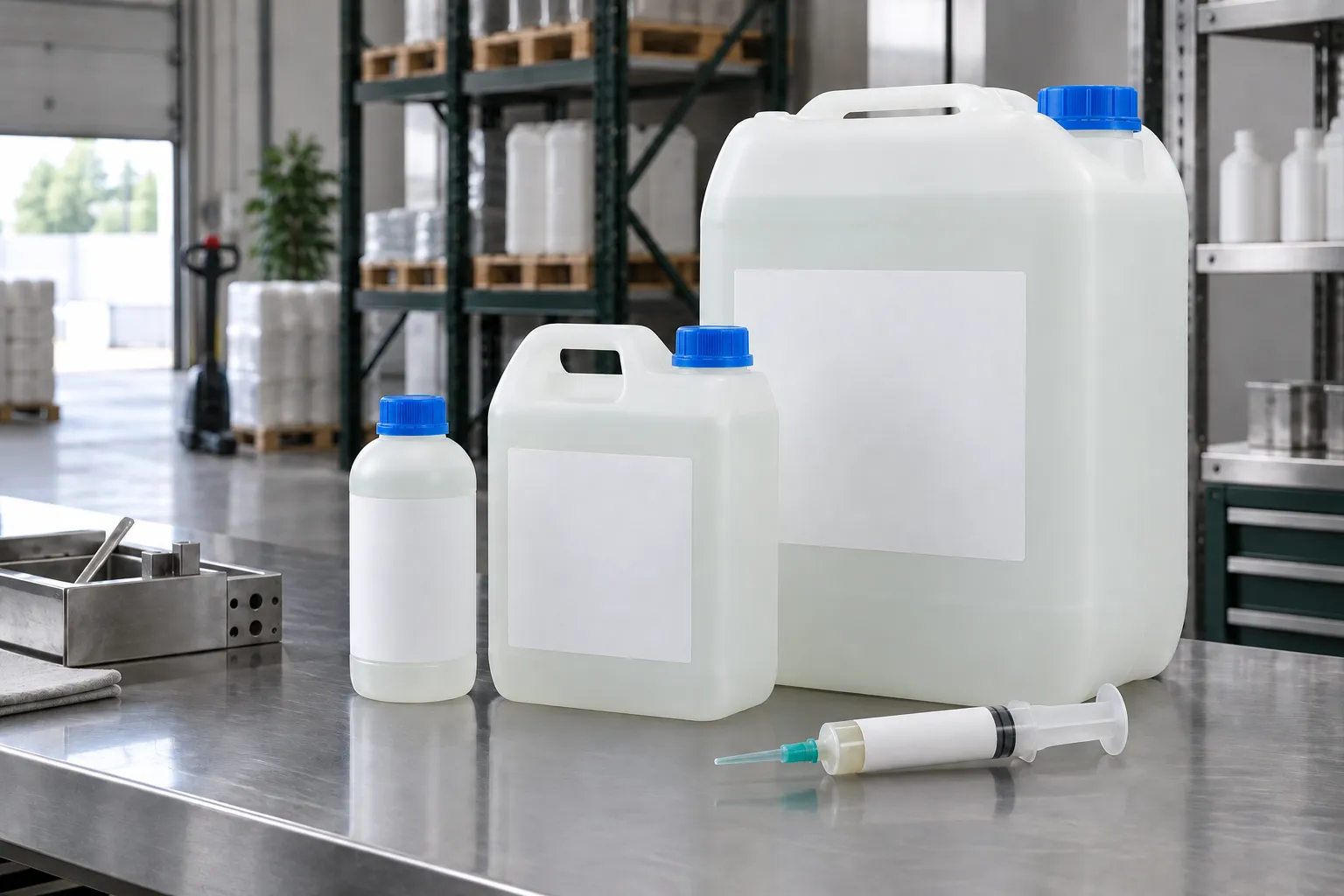
- Rework, BGA and touch-up: gels in syringes, which stay where they are applied.
- Manual soldering: the flux in flux-cored wires is normally sufficient; gel helps on difficult joints.
VOC-free or alcohol-based?
Alcohol-based fluxes dry quickly and have a wide process window. Water-based VOC-free fluxes contain no volatile solvents: they reduce emissions and flammability risks, but require sufficient preheating to evaporate the water before the wave.
Flux Applications
Solutions for every sector and process
Electronics
PCB, SMD, THT, electronics repair. No-clean and RMA fluxes for manual and automatic soldering of components.
Wave and selective soldering
Spray or foam liquid fluxes for wave lines and selective soldering machines, in alcohol-based and VOC-free versions.
Automotive
Wiring, connectors and electronic boards for automotive, with no-clean fluxes with non-corrosive residue.
Rework and repair
Gels and paste fluxes for localised soldering, component replacement and board repair.
Which Flux to Choose?
Guide to selecting the most suitable type
| Application | Recommended Type | Advantages | Notes |
|---|---|---|---|
| SMD Electronics | No-clean (L0) | Normally no cleaning, non-corrosive residues | For production without washing |
| Manual Soldering | RMA (usually ROL0–ROL1) | Low activity, rosin residues | Cleaning if required by the specification |
| Oxidised Surfaces | RA (usually ROM1) | Higher activity | Cleaning mandatory afterwards |
| Wave Soldering | Water-Soluble | Maximum activity, washable | For lines with washing |
| Repairs | Gel/Paste | Precise application | Stays where applied |
Recommendation: no-clean for electronics without washing, RMA where the specification calls for rosin fluxes, water-soluble only on lines with a washing system, gel for repairs and localised applications.
Frequently Asked Questions about Fluxes
Everything you need to know about soldering fluxes
Request the Flux Catalogue
Discover the complete range of our professional fluxes for every application Discover also our related products and our SAC305 lead-free alloys.
Telefono
+39 02 6604 7053