Solder bath analysis for wave, selective and HASL
Composition measured by spectrometry, a report with corrections and monitoring of the bath over time
During production the solder bath changes: it dissolves copper from pads and leads, picks up iron from the machine and impurities from component finishes. When copper and impurities exceed certain levels, bridges, icicles and dross increase, and a lead-free bath can fall outside RoHS limits. Dickmann analyses your bath and tells you how to correct it, whoever supplied the alloy. The service is part of Dickmann services.
What we measure and why it matters
| Element | Where it comes from | Effect on the bath | Typical correction |
|---|---|---|---|
| Copper (Cu) | Dissolution of pads, leads and plated through-holes | Liquidus rises, more bridges and icicles | Top-up with low-copper or copper-free alloy, dilution |
| Iron (Fe) | Erosion of the solder pot and machine parts | Grainy joints, intermetallic needles | Machine inspection, dilution or replacement |
| Lead (Pb) | Component finishes, contamination | In lead-free baths, risk of exceeding the 0.1 % RoHS limit | Dilution or bath replacement |
| Silver, bismuth, nickel | Nominal composition and alloy dopants | Content outside specification changes melting and wetting | Top-up with the correct alloy |
| Zinc, aluminium, cadmium | Accidental contamination | Bridges, oxidation, more dross | Tracing the source and replacement |
Action levels depend on the alloy and the process: the report states the measured values and the recommended actions.
When to have the bath analysed
Besides periodic checks, some signs on the line indicate that the bath composition is drifting and that an analysis is worthwhile before changing the machine parameters.
- Bridges and icicles increase with the same board and parameters.
- Joints become dull, grainy or poorly wetted.
- Dross formation increases with no change in temperature or atmosphere.
- Through-hole fill gets worse.
- You change alloy, supplier or board finish.
- A customer or an audit requires RoHS compliance of the bath.
How it works
- Take a sample of at least 250 grams from the solder pot with a clean ladle, at working temperature and away from the dross.
- Send it to us stating the bath alloy, machine and production volumes.
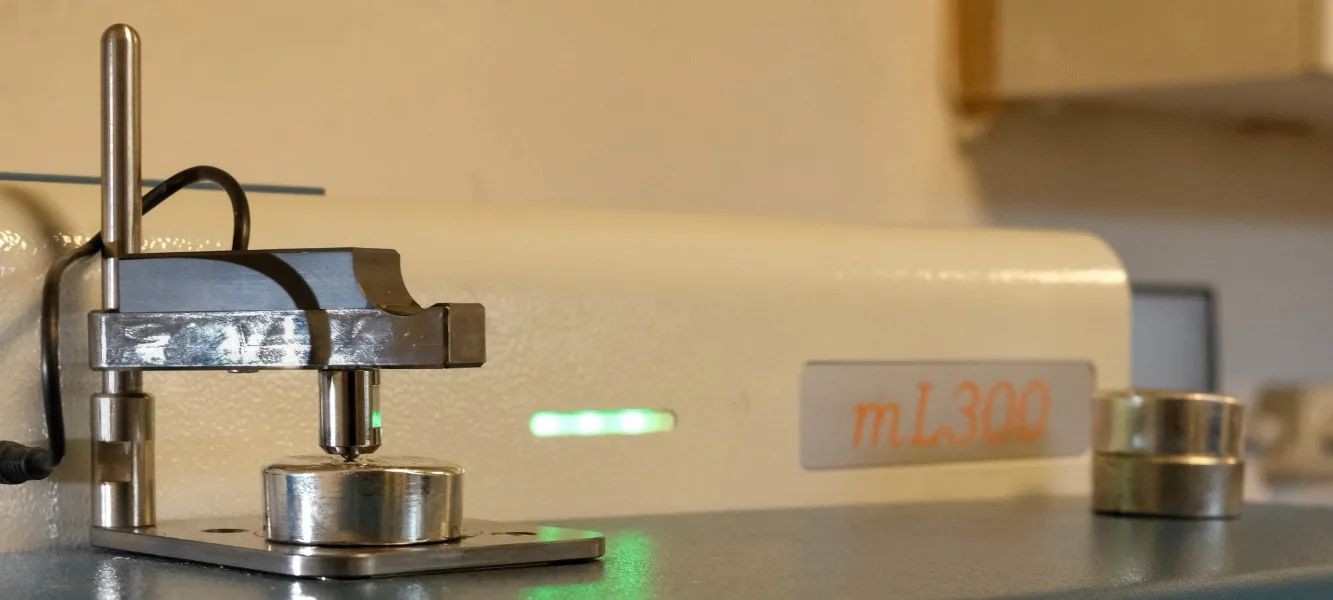
- We analyse the sample by spectrometry and measure the base alloy and impurities.
- You receive a report with the measured composition and recommendations: top-up, dilution or replacement.
- Correct the bath with the recommended top-up alloy.
Monitoring the bath over time
A single analysis is a snapshot of the bath at one moment; periodic analyses show how it evolves. We agree the sampling frequency with you based on volumes, board types and finishes: with the analysis history we alert you in advance when copper or impurities approach the limits, before defects appear on the line.
Change alloy supplier without changing your process
For bars and solid wire only the chemical composition matters. By analysing the bath in use, we can recommend Dickmann bars of the same composition so you can top up the solder pot without draining it or changing parameters: see SAC0307 and SAC0307 with bismuth, wave soldering bars and tin-lead alloys. To lower copper in SAC0307 baths we manufacture the copper-free top-up alloy Sn99.7Ag0.3.
Further reading
- Copper erosion and bath contamination
- Dross in wave soldering: causes and how to reduce it
- Selective soldering
- HASL alloys
- Recovery of dross and process residues: see Dickmann services
Frequently asked questions about solder bath analysis
Request an analysis of your solder bath
Tell us the alloy, machine and volumes: we will tell you how to send the sample